Proposed
In developmentWhen Everyone Can Create, Taste Becomes the Tiebreaker
Easy production expands the field. Judgment determines what earns attention.
A PERMANENT EDGE EDITORIAL SERIES
What music can teach us about artificial intelligence, creativity and the parts of life that cannot be automated.
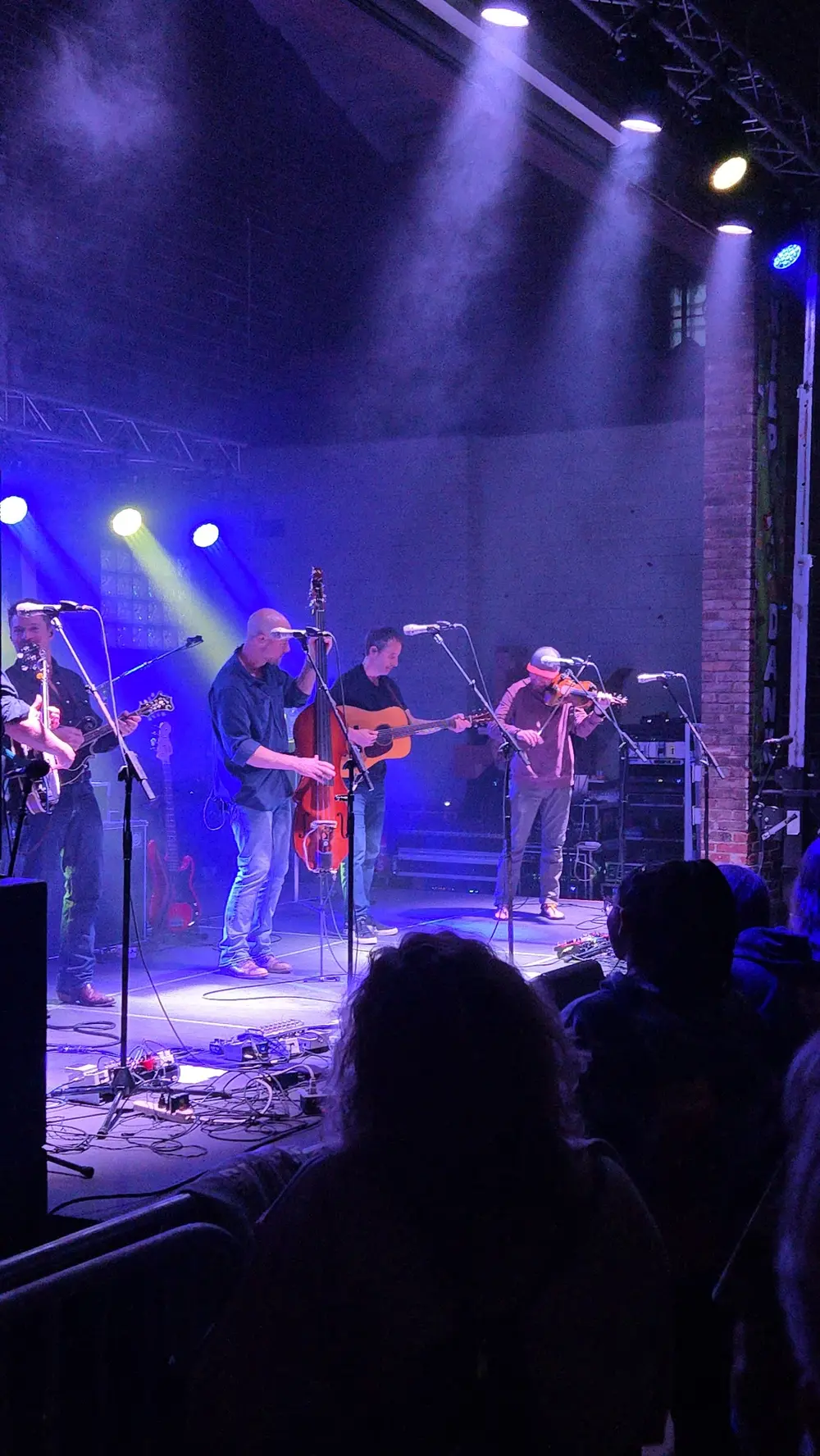
THE CENTRAL IDEA
Artificial intelligence can recognize structures, generate convincing variations, and make production faster. Meaningful work also depends on practice, judgment, relationships, beliefs, lived experience, and the decision to leave some things undone.
Music makes that difference easy to hear. A guitar contains possible notes, but it does not decide when to play, when to wait, whom to trust, or which song is worth carrying into a room.
If AI can produce all the notes, who decides which song deserves to be played?
The Space Between the Notes, Part 1
An 11-year-old can use a phone to find every chord, tune a guitar, slow down a lesson, and ask AI why a progression sounds wrong. The lesson begins when the phone is set down.
Read the magazine featureTHE PLANNED READING PATH
Part 1 is published. The remaining titles are proposed stories, not live articles, and do not link to missing pages.
What learning guitar teaches us about artificial intelligence, creativity, and the parts of life that cannot be automated.
Easy production expands the field. Judgment determines what earns attention.
Some forms of friction are waste. Others are where responsibility and relationship live.
Information can arrive immediately while physical, social, and professional skill still takes time.
Tools can participate in a system, but belonging asks for history, obligation, and mutual recognition.
When polished output is abundant, accountable human experience may become a stronger signal.
EXPLORE THE SERIES
This page is built to hold future interviews, videos, field reporting, and original research without turning proposed work into fake publication history.
Reported, sourced essays written for a general reader.
Interviews with musicians, builders, teachers, and operators.
Demonstrations that let readers hear the difference being discussed.
Clear evidence on how people and organizations use creative AI.
RESEARCH STANDARD
The Edge favors primary government records, original studies, academic sources, and direct documentation. We distinguish reported facts from the author's analysis, label reasonable inference, and describe future possibilities as speculation when the evidence does not support a stronger claim.
Last reviewed: July 25, 2026
JOIN THE CONVERSATION
If you teach, build, perform, manage a team, or use AI in a creative practice, The Edge wants to hear where the tool helped and where human judgment still carried the work.